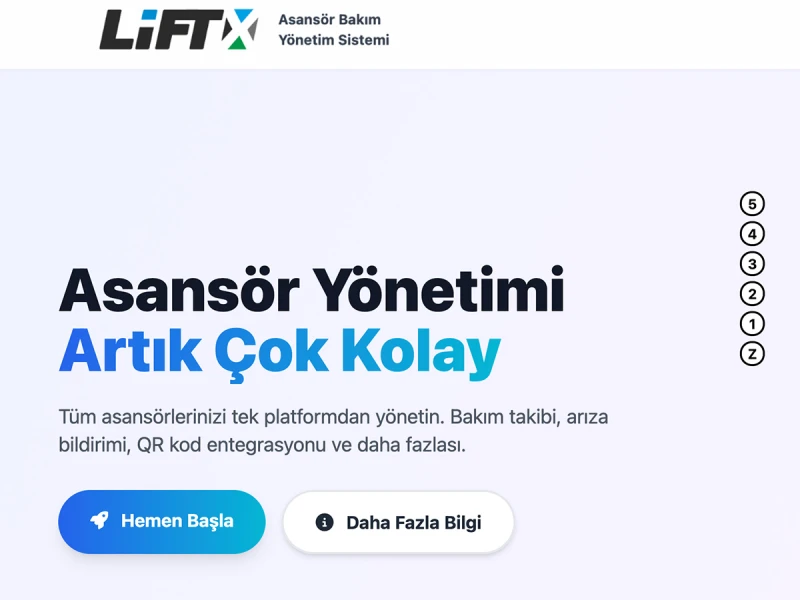



Bir ziyaretçinin markanızla ilk karşılaşması çoğu zaman web sitenizde gerçekleşir. Renkler ve görseller ilk izlenimi oluşturur; fakat ziyaretçiyi müşteriye dönüştüren asıl güç, tasarımın arkasındaki strateji, kullanım kolaylığı ve teknik kalitedir.
Profesyonel bir web sitesi yalnızca “güzel görünen sayfalar” bütünü değildir. Markanın ne sunduğunu açıklayan, doğru kullanıcıyı yönlendiren, güven oluşturan ve ölçülebilir iş hedeflerine hizmet eden yaşayan bir dijital üründür.
İyi Bir Web Sitesi Hangi Soruları Yanıtlamalı?
Ziyaretçi ilk birkaç saniyede kim olduğunuzu, ne sunduğunuzu ve neden sizi tercih etmesi gerektiğini anlayabilmelidir. Menü, başlıklar ve harekete geçirici alanlar bu üç soruya açık cevap vermiyorsa görsel kalite tek başına yeterli olmaz.
- Markanın vaadi ilk ekranda anlaşılabiliyor mu?
- Ürün veya hizmetlere kısa yoldan ulaşılabiliyor mu?
- İletişim, teklif veya satın alma adımı belirgin mi?
- Mobil kullanım masaüstü kadar rahat mı?
- Sayfa hızlı açılıyor ve güven veriyor mu?
Tasarım Marka Kimliğiyle Başlar
Hazır bir görünümü markaya uyarlamak ile markaya özel bir dijital dil tasarlamak aynı şey değildir. Tipografi, renk, boşluk, fotoğraf yaklaşımı ve hareket dili; markanın karakterini tutarlı biçimde yansıtmalıdır. Bu tutarlılık ziyaretçinin zihninde profesyonellik ve güven oluşturur.
Kullanıcı Deneyimi Görünmeyen Tasarımdır
İyi kullanıcı deneyimi, ziyaretçinin düşünmeden ilerleyebilmesini sağlar. Bilgi mimarisi, içerik sırası, buton isimleri, form uzunluğu ve hata mesajları birlikte ele alınır. Amaç kullanıcıyı etkilemek kadar onun işini kolaylaştırmaktır.
ThinkCuby’de önce hedef kitleyi ve iş hedefini netleştiriyor, ardından sayfa akışlarını ve prototipleri hazırlıyoruz. Böylece geliştirme başlamadan önce kritik kararları görünür ve test edilebilir hale getiriyoruz.
Hız, Mobil Uyumluluk ve SEO Birlikte Planlanmalı
Yavaş açılan veya mobilde taşan bir sayfa marka algısını zayıflatır. Görsel boyutları, modern dosya formatları, gereksiz kodlar, önbellek ve sunucu yanıt süresi tasarım sürecinden ayrı düşünülemez. Aynı şekilde doğru başlık hiyerarşisi, okunabilir URL’ler, meta bilgiler ve yapılandırılmış veriler de sonradan eklenen ayrıntılar değil, altyapının parçasıdır.
Web Sitesi Sonuç Üretmeli
Her sayfanın bir amacı olmalıdır: bilgi vermek, güven oluşturmak, ürün göstermek, teklif toplamak veya satışa yönlendirmek. Analitik ölçümleme sayesinde hangi sayfaların çalıştığı, kullanıcıların nerede ayrıldığı ve hangi adımların iyileştirilmesi gerektiği anlaşılır.
Yayın Sonrası Süreç Neden Önemlidir?
Web sitesi yayına alındığında proje bitmez. Tarayıcı güncellemeleri, içerik ihtiyaçları, güvenlik yamaları ve kullanıcı davranışları zaman içinde değişir. Düzenli bakım, yedekleme ve performans kontrolleri dijital yatırımınızın değerini korur.
Sonuç
Başarılı bir web sitesi; marka stratejisi, özgün tasarım, anlaşılır içerik, sağlam yazılım ve ölçümlemenin birlikte çalıştığı bir sistemdir. ThinkCuby olarak bu parçaları tek süreçte ele alıyor, yalnızca iyi görünen değil, markanız için çalışan dijital deneyimler geliştiriyoruz.